Mice in the pantry, ants on the counter, a spider in the corner. Here is why pests come inside and the easy habits that make your home less welcoming, room by room.
You flip on the kitchen light at midnight and something scurries. Or you spot a tiny line of ants on the counter, a spider in the corner, or a mosquito in the bedroom. Sound familiar? Repellio is a plug-in pest repeller designed to be one easy layer of protection. This guide covers the pests people see most, why they come in and the simple habits that make your home less inviting.
Why do pests come into my house?
It usually comes down to three things: food, water and shelter. The CDC lists these same three for rodents, and the idea fits most household pests. If your home offers a snack, a drink and a cozy hiding spot, someone will move in. Take those away and your home becomes a lot less interesting.
What are the most common household pests?
| Pest | What draws it in | Where you notice it | Easy first step |
|---|---|---|---|
| Mice | Food, warmth, small gaps | Kitchen, pantry, garage, attic | Seal gaps, store food in tight containers |
| Rats | Food, trash, hiding spots | Garage, basement, attic, outdoor trash areas | Cover trash, clear clutter, seal entry points |
| Cockroaches | Crumbs, moisture, warm dark corners | Kitchen, bathroom, basement | Wipe up crumbs, fix leaks |
| Ants | Sweet or greasy food, open containers | Counters, pet bowls, windowsills | Clean spills, close up food |
| Spiders | Other insects to eat, quiet corners | Garage, basement, corners, window frames | Reduce the insects they follow |
| Mosquitoes | Standing water, open doors and windows | Yard, porch, bedrooms | Empty standing water, use screens |
How do mice and rats get inside?
Through gaps that are smaller than you would guess. The CDC says mice can fit through a hole about 1/4 inch across, roughly the width of a pencil. That is why a tiny gap around a pipe can be an open door.
The CDC lists these common trouble spots indoors: under, inside and behind kitchen cabinets, around windows and doors, behind appliances, around the pipes under sinks and washing machines, around floor vents and utility lines, and in the attic, basement and crawl space. Outside, check the roof edges, vents, the spot where the foundation meets the ground and the openings for plumbing, cable and gas lines.
For small holes, the CDC suggests steel wool with caulk around it to hold it in place, or spray foam. For larger holes, use metal, hardware cloth or cement. A flashlight and ten quiet minutes can go a long way.
How can I keep cockroaches and ants out of my kitchen?
Both follow the same trail: crumbs, spills and moisture. A few small habits help a lot.
- Wipe counters every night. Crumbs and sticky spots are an open invitation.
- Store food in sealed containers. Think cereal, flour, sugar, pet food and snacks.
- Do not leave dishes in the sink overnight. A quick rinse is enough.
- Take out the trash. Use a lid and do not let it pile up.
- Fix drips. A dripping faucet or a leaky pipe under the sink gives pests a daily drink.
- Pick up pet bowls at night. Or wipe the area around them after each meal.
How do I keep spiders away?
Spiders usually follow their dinner. Fewer insects means fewer spiders. So the same habits that help with ants and roaches help here too. Dust corners and window frames, keep clutter off the floor in the garage and basement, and close the gaps around doors and windows.
How can I cut down on mosquitoes at home?
The CDC says to check indoors and outdoors for containers that hold water. Once a week, empty, scrub, turn over, cover or toss items that collect water, such as buckets, toys, birdbaths and flowerpot saucers. This stops mosquitoes from laying eggs in or near standing water. The CDC also recommends putting screens on windows and doors and repairing any holes so mosquitoes stay outside.
Want an easy place to start? Get Repellio at the official store, plug it in and pair it with the habits above. Prevention is a series of small wins. A sealed gap here, a covered bin there, and a quiet device working in the background add up to a home that feels calmer. Start with one room this weekend, then keep going from there.
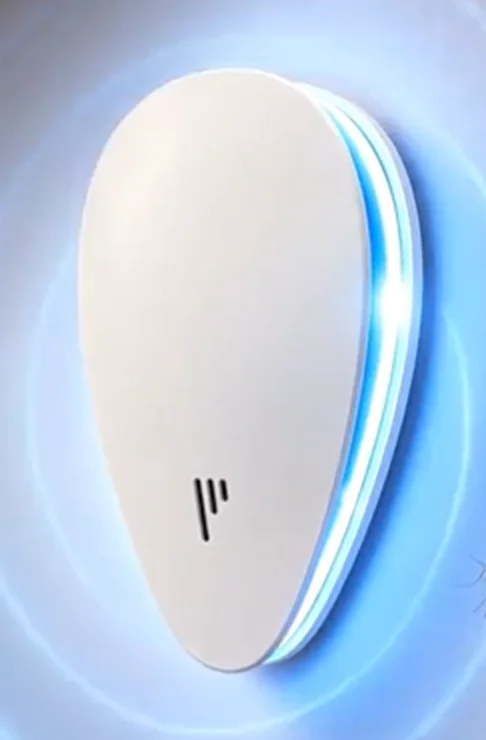
Add a quiet layer of protection to every room
Get Repellio at the Official Store 30-day money-back guarantee · Fast shipping · Plug in and goWhat is a simple room-by-room prevention checklist?
Kitchen and pantry
- Store dry food in tight, sealed containers
- Wipe the counters and sweep the floor every night
- Take out the trash and keep a lid on the bin
- Check behind the stove and fridge for gaps around pipes
Bedrooms and living areas
- Keep snacks out of the bedroom, or store them in sealed containers
- Check window screens for holes
- Do not stack boxes against the wall for months
Bathroom and laundry
- Fix leaks under sinks and around the washer
- Seal gaps around pipes
- Run a fan or open a window to keep moisture down
Basement, garage and attic
- Get stored items off the floor and into plastic bins with lids
- Seal gaps around utility lines, vents and the garage door
- Keep pet food and bird seed in sealed containers
- Take a flashlight tour once a season
Yard and outside
- Empty standing water once a week
- Keep outdoor trash cans closed
- Trim bushes and stacked wood back from the house
How does a plug-in repeller fit into all this?
Think of prevention in layers. Layer one is sealing and cleaning, the habits above. Layer two is a plug-in device that works quietly in the background. Repellio is designed to use a triple soundwave system (sonic, electromagnetic and ultrasonic) to make a room less welcoming to pests, with no sprays, no traps and nothing to refill. According to the manufacturer, one unit covers roughly 120 sq. ft.
It pairs naturally with the habits in this guide. Want to know how it works? Read how Repellio works. Ready to order one? See how to set up Repellio.
Good to know: results vary by pest type, infestation level and home layout. If you have a large or ongoing infestation, bring in a licensed pest professional as well. Rodents can carry disease, and the CDC advises safe cleanup of nesting material and waste.
What should I do first this weekend?
- Take a flashlight tour. Look under sinks, behind appliances and around the garage door for gaps.
- Seal the small stuff. Steel wool and caulk are quick fixes for pencil-width gaps.
- Lock up the food. Move dry goods and pet food into tight containers.
- Empty the water. Check buckets, saucers and anything that holds water outside.
- Plug in your repeller. Place it in an open outlet in the room you care about most.
What are the signs that pests may be around?
You do not need to be a pro to notice the clues. Look for droppings, gnaw marks, greasy rub marks along walls, shredded paper or fabric nests, ant trails, tiny egg cases, webs in corners and standing water that attracts mosquitoes. The CDC notes that early signs of rodents include droppings and gnaw marks, and that it is easier to control rodents before they settle in. Check the garage, basement and attic once a season so small problems stay small.
How often should I repeat this checklist?
Run a quick version once a season. A flashlight tour takes about ten minutes. Spring and fall are good times, since the weather changes and pests look for new shelter. Add a weekly habit too: empty standing water, wipe the counters and take out the trash. Little routines like these are what keep a home feeling fresh all year.
Frequently asked questions
What attracts pests to my home?
Mostly food, water and shelter. Crumbs, open food, pet bowls, leaks, standing water, clutter and small gaps all make a home more inviting. Removing them is the best first step.
How small a gap can a mouse get through?
According to the CDC, mice can fit through a hole about 1/4 inch across, roughly the width of a pencil. Check around pipes, vents, doors and the spots behind appliances.
How do I keep mosquitoes away from my house?
Once a week, empty or cover anything that holds standing water, such as buckets, toys, birdbaths and flowerpot saucers. Put screens on windows and doors and repair any holes.
Can a plug-in pest repeller replace cleaning and sealing?
No. Think of it as one layer. Sealing gaps, storing food and fixing leaks do the heavy lifting, and a plug-in repeller like Repellio is designed to add a quiet, chemical-free layer in the background.
Which pests is Repellio made for?
According to the manufacturer, Repellio is designed for common household pests, including mice, rats, cockroaches, ants and mosquitoes. Results vary by pest type, infestation level and home layout.
When should I call a professional?
If you have a large or ongoing infestation, bring in a licensed pest professional. A plug-in repeller is made for household use and does not replace professional treatment in a serious infestation.
More guides
Sources
- CDC: How to Seal Up to Prevent Rodent Infestations
- CDC: Controlling Wild Rodent Infestations
- CDC: Mosquito prevention
Last reviewed October 15, 2026. This guide is general information for household use.