One Repellio unit covers roughly 120 sq. ft., according to the manufacturer. Here is the easy math, a room-by-room chart and placement tips so you buy the right number the first time.
You just heard about Repellio, the plug-in pest repeller, and now you are standing in the hallway counting rooms. Kitchen. Pantry. Garage. Basement. Is it one for the whole house, or one for each room? Here is the short answer, followed by the simple math so you can plan your own home in about five minutes.
How much space does one Repellio cover?
According to the manufacturer, one Repellio unit covers roughly 120 sq. ft. That is about a 10 by 12 foot room, the size of a small bedroom or a cozy kitchen. The idea is simple: one unit per room, plugged into a standard outlet where the sound has room to travel.
Repellio is designed to work with a triple soundwave system (sonic, electromagnetic and ultrasonic). Sound moves best across open space. Walls, doors and big furniture can get in its way. That is why the plan is built room by room instead of by the square footage of the whole house.
What is the easy math for figuring out how many units I need?
- Measure the room. Length in feet times width in feet gives you square feet. A 12 by 15 foot living room is 180 sq. ft.
- Divide by 120. 180 divided by 120 is 1.5.
- Round up. 1.5 becomes 2 units. Rounding up gives the sound a little breathing room.
- Add the rooms together. Do this for each room you want covered and you have your shopping number.
Rule of thumb: if a room is 120 sq. ft. or smaller, one unit. If it is bigger, divide by 120 and round up. If the room has an odd shape or a wall that splits it in two, treat each part like its own small room.
How many Repellio units do I need for each room?
Here are typical room sizes with the math done for you. Your rooms may be different, so swap in your own numbers.
| Room | Typical size | Area | Units (area / 120, rounded up) |
|---|---|---|---|
| Kitchen | 10 x 12 ft | 120 sq. ft. | 1 |
| Small bedroom or nursery | 10 x 10 ft | 100 sq. ft. | 1 |
| Primary bedroom | 12 x 14 ft | 168 sq. ft. | 2 |
| Living room | 15 x 20 ft | 300 sq. ft. | 3 |
| Basement | 20 x 25 ft | 500 sq. ft. | 5 |
| One-car garage | 12 x 20 ft | 240 sq. ft. | 2 |
| Two-car garage | 20 x 20 ft | 400 sq. ft. | 4 |
| Attic | 10 x 20 ft | 200 sq. ft. | 2 |
Those are full-coverage numbers. Not every room needs the full count on day one. Many people start with one unit in the spots they care about most, then add more as they see how it goes. Prefer to keep it simple? Match one unit to each room you use every day and build from there.
Where should I start if I do not want to buy for the whole house?
Think about where you actually spot trouble. A mouse at midnight in the kitchen. An ant line near the pet bowl. A rustle in the garage when you take out the bins. Start there.
- Kitchen and pantry. Food is the magnet. One unit near the pantry side of the room is a good first move.
- Garage. It is the easiest way into most homes. Put a unit near the door to the house or near the garage door.
- Basement. Dark, quiet and full of boxes. Place units where the space opens up, not behind shelving.
- Attic. If you have an outlet up there, one or two units cover a typical size. No outlet? Skip it and focus on the rooms below.
- Bedrooms and kids' rooms. One per room is enough for a standard size. Read our guide on kids and pets for placement tips around little ones.
Where should I plug in each unit?
Good placement does more for you than an extra unit does. Keep these in mind:
- Pick an open outlet. The manufacturer says to plug into a standard outlet away from furniture that blocks sound.
- Skip the spots behind sofas, beds and curtains. A soft, heavy blocker in front of the unit can muffle the sound.
- Lower outlets are fine. Pests travel along walls and baseboards, so an outlet near the floor works well in most rooms.
- Aim for the center of the room when you can. A unit near the middle of a long room reaches both ends better than one in a corner.
- Think entry points. Outlets close to doors, pipes and gaps are good picks in basements and garages.
- Leave it plugged in. Repellio is made to run in the background, so keep it powered. The next guide shows how to set it up step by step.
Ready to see it in your own home? Pick your bundle at the official store and match the number of units to the rooms in the table above. Because each room gets its own unit, it also helps to sketch a quick floor plan on paper. Circle the rooms where you spot signs of pests most often, mark the outlets that sit in open spaces, and count. That small bit of planning usually saves a second order later and keeps every unit working where it matters most.
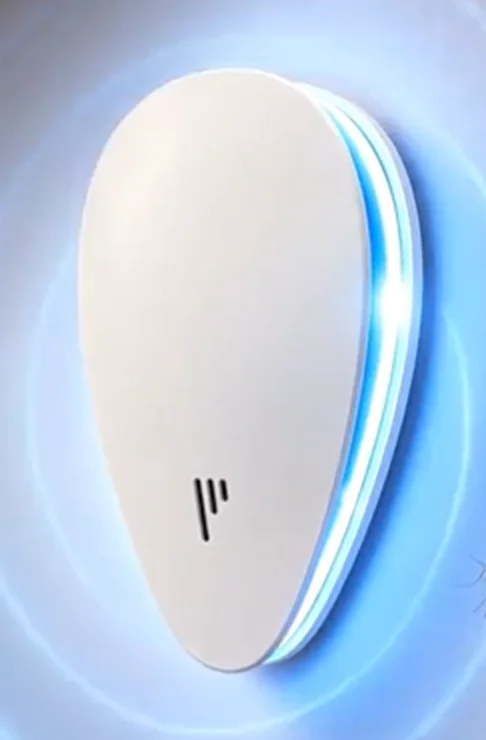
Cover every room you care about
Get Repellio at the Official Store 30-day money-back guarantee · Fast shipping · Plug in and goWhat if my home is big or has several floors?
Treat each floor as its own little project. Sound does not travel well through floors and ceilings, so each level needs its own units. Here is how a typical three-bedroom, two-story home could be planned:
| Area | Units | Where |
|---|---|---|
| Kitchen and pantry | 1 | Outlet near the pantry, clear of cabinets |
| Living room (about 300 sq. ft.) | 3 | Spread out: near the entry, mid-room and the far wall |
| Three bedrooms | 3 | One per room, away from the bed frame and curtains |
| Garage (one-car) | 2 | One near the house door, one near the bay door |
That plan totals nine units for full coverage. A starter version could be as small as the kitchen and garage, with the bedrooms added later. You get to decide how fast to roll it out.
Is it cheaper to buy more than one?
Often, yes. The official store lists multi-unit pricing at a discount while supplies last, so buying the number you plan to use can cost less per unit than buying one at a time. Prices and availability are set by the store, so check the current offer there. Our price and guarantee guide walks through what to expect at checkout. Every order is backed by the 30-day money-back guarantee at the official store.
Can I move units around later?
Yes. Repellio is compact and portable, so it is easy to unplug and try another outlet. If you do not notice a change in one room after a while, try a more open outlet or a different spot, then give it some time. Moving a unit is a normal part of finding the best position for your layout.
What mistakes should I avoid when planning my units?
A few simple slips can make a plan less effective, and every one is easy to fix.
- Counting the whole house as one space. Walls and doors break up sound, so count room by room.
- Hiding the unit. An outlet behind a couch might be handy, but it is a poor spot for sound. Pick an open wall.
- Forgetting the odd corners. Mudrooms, laundry rooms and pantries are small but busy. A little room can still need its own unit.
- Skipping the basics. Sealed food and covered trash still matter. Our prevention checklist pairs well with your plan.
Last tip: keep your room math in a notes app. When you add a unit later, you will remember exactly what you covered and where each one is plugged in.
Frequently asked questions
How many Repellio units do I need for a whole house?
Plan on one unit per room, or one per roughly 120 sq. ft. for larger rooms. For a typical three-bedroom home, that often means about one unit for the kitchen, a few for the living area, one per bedroom and a couple for the garage or basement. Start with the rooms you care about most and add more over time.
How many square feet does one Repellio cover?
According to the manufacturer, one unit covers roughly 120 sq. ft., about the size of a 10 by 12 foot room.
Do I need a unit in every room?
Not on day one. Many people begin with the kitchen, garage or basement and add units for bedrooms and living areas later. Because sound can be blocked by walls and furniture, each room you want covered works best with its own unit.
How many units for a basement or garage?
Use the simple math: area divided by 120, rounded up. A 20 by 25 foot basement is 500 sq. ft., so about 5 units for full coverage. A 20 by 20 foot two-car garage is 400 sq. ft., so about 4 units.
Can one unit cover two connected rooms?
It is designed for one room of roughly 120 sq. ft. Open floor plans can work with a unit placed in the middle of the open area. If a wall or door splits the space, give each side its own unit.
Where is the best place to plug in a Repellio unit?
Use a standard outlet in an open spot, away from sofas, beds, curtains and other furniture that can block sound. Lower outlets near baseboards are fine, and the middle of a long room is better than a far corner.
More guides
Last reviewed October 15, 2026. This guide is general information for household use.